Field Sobriety Tests: What They Are and Why People Question Them
Quick Answer: Field sobriety tests are roadside exercises an officer uses to look for signs of impairment before deciding whether to make an OUI arrest. The standardized set has three parts: the horizontal gaze nystagmus eye test, the walk and turn, and the one leg stand. Officers are trained to count specific clues on each one, such as four of six clues on the eye test or two clues on the balance tests, and to treat those counts as a sign that a driver may be at or above 0.08. People question the tests because they are observations, not chemical measurements, and because nerves, injuries, footwear, weather, and the road surface can all change how a sober person performs. In Massachusetts, courts also treat the tests as limited evidence, and a driver is not penalized with an automatic license suspension for declining them. This is general information, not legal advice.
You pulled over, the officer asked you to step out of the car, and now you're standing on the shoulder in the glare of a cruiser's lights, being told to walk a line you can barely see. Your heart is pounding. You wonder if you're supposed to do this, if it counts against you if you stumble, and what exactly the officer is writing down. Those are fair questions, and most people have never been taught the answers.
This article explains what field sobriety tests are, how the three standardized versions work, what officers are trained to look for, and why so many people, including judges, treat the results with caution. Everything here is general information about how these tests work in Massachusetts and nationally. It is not advice about any specific stop, and every case turns on its own facts.
What a Field Sobriety Test Actually Is
A field sobriety test is a physical or mental task an officer asks you to perform at the roadside, usually after a traffic stop where the officer says they noticed something that raised a suspicion of drunk driving. In Massachusetts that charge is called operating under the influence, or OUI. The tasks are meant to give the officer something to observe and write down: how you balance, whether you follow instructions, whether your eyes move in a particular way.
They Are Not Breath Tests
A breath or blood test measures alcohol in your body. A field sobriety test measures nothing. It involves movements an officer interprets.
They Happen Before Arrest
Field sobriety tests usually happen early in an OUI investigation, before arrest. The officer gathers observations that may later appear in reports or testimony.
They Are Different From The Station Breath Test
After arrest, a station breath test follows separate rules and carries license consequences. This article focuses on what happens during roadside field sobriety testing.
The Three Standardized Tests
In the 1970s and 1980s, the National Highway Traffic Safety Administration, known as NHTSA, funded research aimed at finding roadside tasks that could help an officer judge whether a driver's blood alcohol concentration was likely at or above a set level. That work produced a battery of three tests that police academies teach across the country. Officers are trained to give them in a set order, with set instructions, so that the results mean the same thing from one stop to the next.
Horizontal Gaze Nystagmus
Nystagmus is an involuntary jerking of the eye. Everyone's eyes do it to some degree, but alcohol can make the jerking appear sooner and more clearly when the eyes look to the side. For this test the officer holds a pen or small light about twelve to fifteen inches from your nose, slightly above eye level, and asks you to follow it with your eyes only, keeping your head still.
The officer is trained to check three things in each eye. They watch for a lack of smooth pursuit as your eyes follow the object. They look for distinct and sustained jerking when your eyes are held at the far side for at least four seconds. And they look for the jerking to begin before your eye reaches a 45 degree angle. That makes six possible clues across both eyes, and the training teaches that four or more suggest a blood alcohol concentration of 0.08 or higher.
What The Officer Should Do First
Before testing, the officer should check that your pupils are equal and your eyes track together. Medical conditions and injuries can cause unrelated nystagmus.
Why It Gets Special Attention In Court
Because this test relies on claimed scientific principles about eye movement, Massachusetts courts treat it differently. A report alone does not establish admissibility; prosecutors must lay foundation.
The Walk and Turn
This is the one most people picture. You're asked to stand with your right foot in front of your left on a straight line, heel touching toe, hands at your sides, while the officer explains the instructions. Then you take nine heel to toe steps down the line, turn in a prescribed way, and take nine steps back, counting out loud and watching your feet.
The officer scores eight possible clues. Two can happen before you take a single step: losing your balance while the instructions are being given, and starting too soon. The rest come once you're moving. Those include stopping while walking, missing heel to toe by half an inch or more, stepping off the line, raising your arms six inches or more for balance, turning improperly, and taking the wrong number of steps.
The training teaches that two or more clues suggest a blood alcohol concentration at or above 0.08. Notice how low that bar is. A single mistake in the turn plus a single missed step is enough to hit it.
The One Leg Stand
For this one you stand with your feet together, raise one foot about six inches off the ground with your leg straight and your toes pointed forward, and hold it there while counting out loud, usually by one thousand one, one thousand two, and so on, for thirty seconds.
There are four clues: swaying, using your arms to balance, hopping, and putting your foot down. Two or more clues is the usual decision point. A single moment of putting the foot down is not supposed to end the test. You're told to lift the foot again and keep counting.
Other Roadside Tasks You May Be Asked to Do
Officers in Massachusetts sometimes add tasks that are not part of the three standardized tests. They might ask you to recite part of the alphabet, count backward from a number, touch your finger to your nose with your eyes closed, or estimate thirty seconds in your head.
These Have No Official Scoring System
The three standardized tests have defined clues and decision points. Informal tasks do not, leaving officers to decide what constitutes a mistake.
They Are Still Observations
A pass or fail is not a legal finding. What matters is what officers observed, documented, and whether recordings or evidence support their account.
What the Research Says, and What It Does Not
NHTSA's own training material has reported accuracy figures for these tests. An early version of the training said the eye test criterion could classify about 77 percent of suspects correctly, and later validation studies described in training summaries report higher numbers for each of the three tests when they are given exactly as trained. Those numbers sound strong. Here are the reasons people look at them carefully.
The Figures Depend On Perfect Administration
Research assumes officers followed standardized procedures closely, including instructions, demonstrations, surfaces, and timing. Deviations can make roadside performance differ from research conditions.
Accuracy Is Not Certainty
A test that is usually accurate can still produce errors. Study percentages describe groups, not whether one person was impaired.
The Tests Were Designed For Alcohol
These tests were designed to predict alcohol levels around a specific threshold. They were not designed to measure other causes or driving ability.
There Is No Baseline
Officers have never seen your normal balance. Knee problems, back issues, or naturally poor balance can affect performance without impairment.
Why So Many People Question These Tests
Ask almost anyone who has tried to stand on one leg in the dark beside a busy road, and the doubts start quickly. Here are the reasons most often raised.
Ordinary Conditions Change Performance
Age, fatigue, anxiety, injuries, balance problems, footwear, weather, lighting, and uneven surfaces can affect performance. Officers are trained to consider some factors during testing.
Nerves Are A Real Factor
A police stop can cause significant stress. Shaking hands, racing thoughts, and fear can affect balance, even when someone has consumed no alcohol.
The Instructions Are Long And Unfamiliar
The walk and turn requires remembering unfamiliar steps while maintaining an unusual stance. Confusion about instructions can therefore appear similar to impairment.
Scoring Is Done By The Investigating Officer
The officer administering the test also decides whether mistakes occurred, often while forming an opinion about drinking. Recordings can provide important independent context.
Footwear And Surfaces Are Not Always Accounted For
Heels, boots, sandals, pavement markings, gravel, slopes, and wet surfaces can affect balance. Standardized procedures call for reasonably dry, hard, level, nonslippery surfaces.
What Massachusetts Courts Have Said
Massachusetts law has its own distinct handling of field sobriety tests, and it is worth knowing in general terms.
Officers May Direct The Tests During A Lawful Stop
Massachusetts courts allow field sobriety exercises during lawful stops when specific facts create reasonable suspicion of OUI. Officers generally need not advise you of refusal.
Declining Roadside Tests Is Not The Same As Declining The Breath Test
Refusing roadside tests does not trigger automatic license suspension. Massachusetts law generally limits admitting refusal itself, though exceptions can apply in misleading circumstances.
Marijuana Cases Are Treated Differently
In Commonwealth v. Gerhardt, the Supreme Judicial Court found insufficient scientific agreement connecting standardized tests to marijuana impairment. Officers may describe observations, but cannot call performance pass or fail.
Observations Come In, Conclusions Are Limited
Officers may describe walking, swaying, and following directions. However, they generally cannot simply announce that those observations establish every legal element of an OUI charge.
Tip: If you are ever asked to perform roadside exercises, you can stay calm and polite, give your name and documents as required, and avoid arguing with the officer on the shoulder. Write down what you remember about the surface, the lighting, your footwear, and any injuries as soon as you can afterward, because those details fade fast.
How an Attorney Looks at Roadside Test Evidence
When someone is charged with OUI after a stop that included field sobriety tests, an attorney generally starts with questions rather than conclusions. None of this predicts how any case will turn out, since results depend on the facts, the evidence, and the judge.
Was there a lawful reason for the stop and for the exit order?
The roadside exercises follow a stop and a request to step out. Whether the officer had specific facts supporting each step can matter.
Were the instructions given and demonstrated the way the officer was trained?
The standardized procedure is detailed. Comparing the report, the testimony, and any video against that procedure is a core part of reviewing these cases.
What do the recordings show?
Cruiser camera and body camera video can show the surface, the lighting, how long you stood or walked, and what movements actually happened. Sometimes the video matches the report. Sometimes it does not. Video also has limits, since an angle can miss a foot or an eye.
What else was going on with you?
Medical conditions, injuries, age, footwear, and fatigue are all fair topics, and they are only as useful as the records and testimony that support them.
Warning: Field sobriety tests and the breath test are separate decisions with different consequences in Massachusetts. Refusing a station breath test can lead to an automatic license suspension that does not depend on the outcome of the criminal case. Do not assume that what is true about one is true about the other.
Frequently Asked Questions
Do I have to take a field sobriety test in Massachusetts?
No law imposes an automatic penalty for declining the roadside exercises, and declining differs from refusing a breath test. Officers can still arrest based on other observations, so an attorney can explain the general tradeoffs.
Are field sobriety tests the same as a breathalyzer?
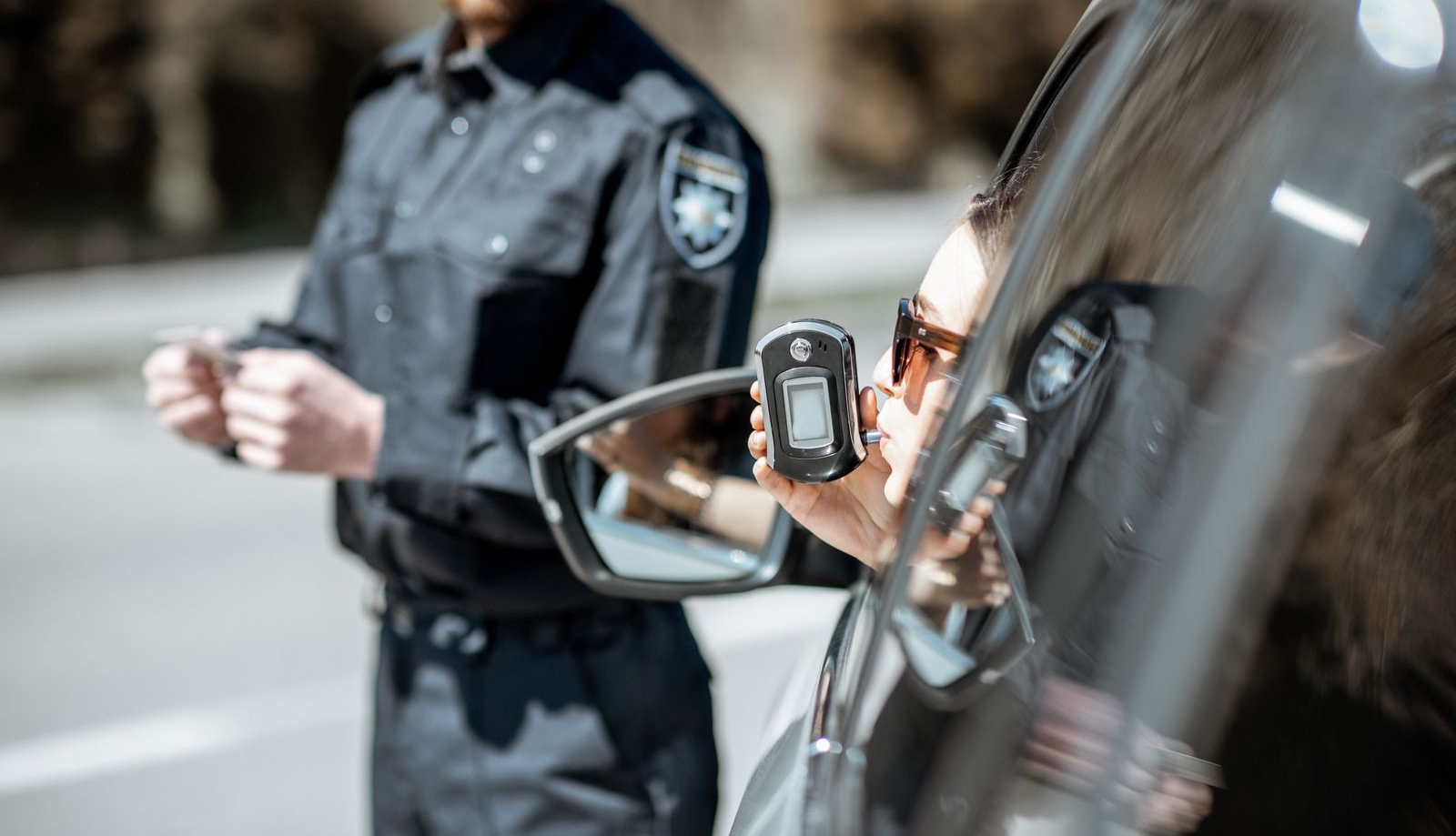
No. A breath test estimates alcohol concentration using a machine, while field sobriety tests are tasks an officer watches and scores by eye. Roadside handheld devices and station breath tests also follow different rules.
Can a medical condition affect my results?
Yes. Back, leg, and inner ear problems, certain eye conditions, injuries, and age can affect balance and eye movement. Tell your attorney about any condition and share supporting medical records.
Can the officer say I failed?
In alcohol cases, an officer can describe your performance and give an opinion about intoxication, with limits on legal conclusions. In marijuana cases, officers cannot label performance as a pass or fail.
What if the tests were not recorded?
Without video, the evidence may rest on the officer's report and testimony. Whether a recording exists and what it shows can shape how roadside evidence is viewed, and an attorney can ask about footage.
Should I talk to a lawyer if I did the tests and was not arrested?
It can help. Charges can be filed after a stop, and an early conversation can clarify where you stand, especially if you receive a notice in the mail.
Understanding What Roadside Tests Can and Cannot Show
Field sobriety tests are observations, not measurements. The eye test, the walk and turn, and the one leg stand each give an officer something to watch and score, yet nerves, injuries, footwear, weather, and the roadside surface can change how a sober person performs. Massachusetts courts treat the results with care for those reasons, and declining the roadside exercises carries no automatic license suspension. Knowing how each test works helps anyone who has been through a stop make sense of what was recorded.
Drivers in Attleboro, MA, who have questions about a stop can speak with Carroll & Ferreira, Attorneys at Law, PC, a firm that brings 30
years of Massachusetts
criminal defense
experience to these cases. A review typically looks at the reason for the stop, how the instructions were given, and what any recordings show. Every case turns on its own facts, so a careful look at the details gives a person the clearest picture of where they stand.